Fencing Basic Moves and Techniques for Beginners
Fencing looks fast and complex, but it is built on a handful of fundamental moves that every beginner learns first. Master these basics and the rest of the sport opens up. Here is why the fundamentals matter, the basic moves and techniques to learn first, and how to practice and progress.
Why the Fundamentals Matter
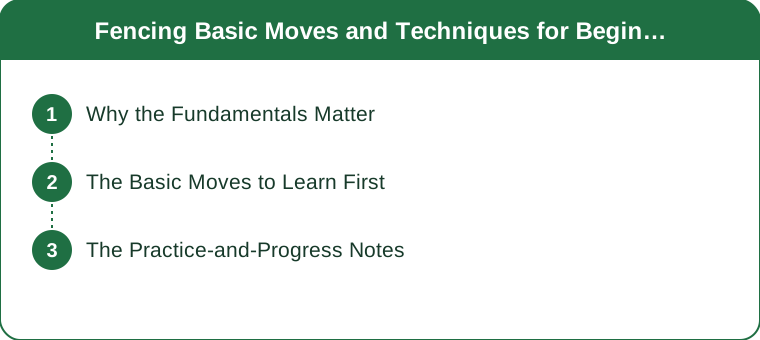
The foundation of fencing: the the-everything-builds-on-the-basics (the advanced fencing building on the fundamental moves from the adult-beginner logic — the basics-first), the the-footwork-is-foundational (the footwork being the foundation of fencing from the footwork-conditioning logic — the the-footwork-foundation), the the-good-form-early (the learning good form early preventing bad habits from the adult-beginner logic — the form-early), the the-fundamentals-win-bouts (the solid fundamentals winning bouts more than fancy moves from the adult-beginner logic — the fundamentals-win), the the-safe-and-effective (the the basics being learned safely with proper technique from the beginner-gear logic — the safe-technique), and the reframe (the fencing fundamentals as the foundation the whole sport builds on — master the basic moves and footwork first, and the rest opens up).
The Basic Moves to Learn First
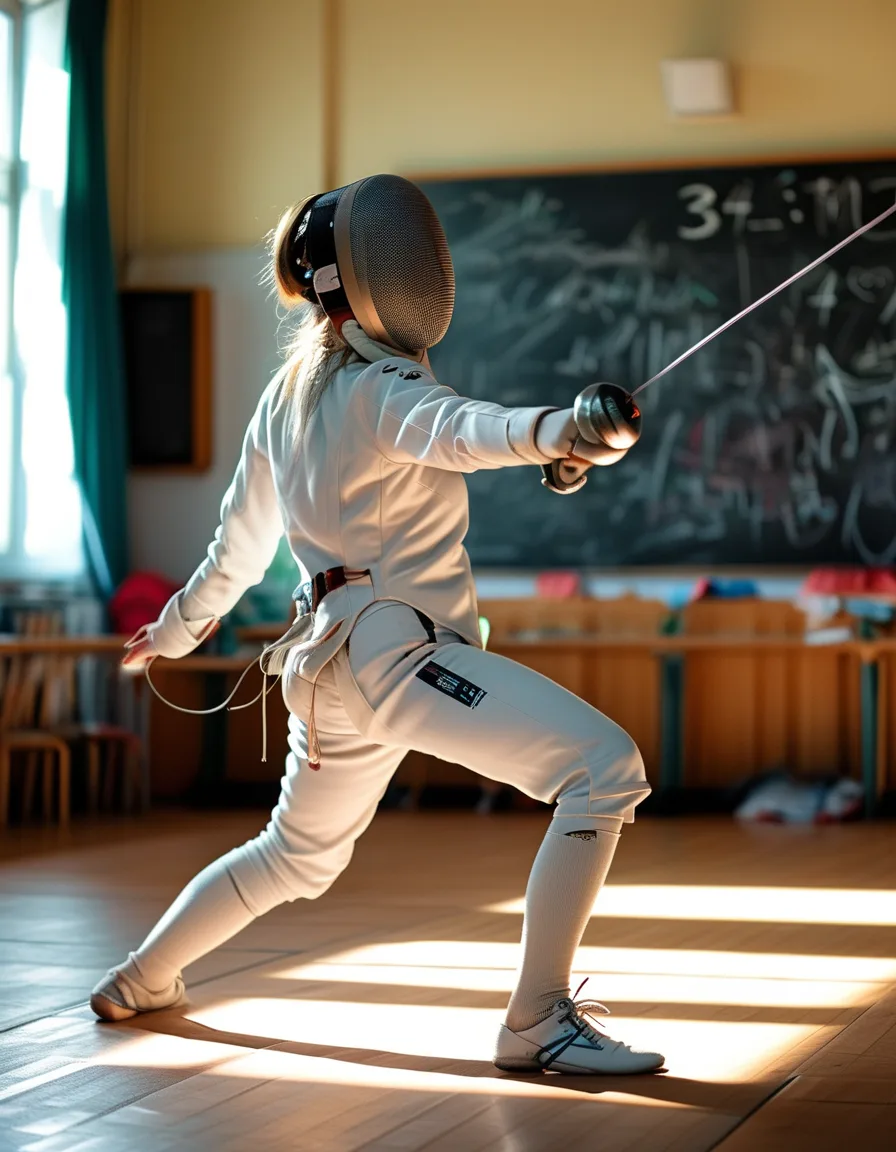
Fencing fundamentals: the the-en-garde-stance (the the on-guard stance as the ready position from the adult-beginner logic — the the-stance), the the-footwork-advance-and-retreat (the the advance and retreat footwork for moving and distance from the footwork-conditioning logic — the the-footwork), the the-the-lunge (the the lunge as the basic attack from the adult-beginner logic — the the-lunge), the the-blade-basics (the basic blade positions and simple attacks from the adult-beginner logic — the blade-basics), the the-parry-and-riposte (the the parry to defend and riposte to counter from the adult-beginner logic — the parry-and-riposte), the the-distance-and-timing (the managing distance and timing from the adult-beginner logic — the distance-and-timing), the the-target-and-scoring (the understanding target areas and scoring from the first-competition logic — the the-scoring), and the the-safety-and-gear (the proper gear and safety practices from the beginner-gear logic — the gear-and-safety).
The Practice-and-Progress Notes
Building your fencing: the the-drill-the-footwork (the drilling footwork, the foundation, consistently from the footwork-conditioning logic — the drill-footwork), the the-practice-the-basics (the practicing the fundamental moves until they are automatic from the adult-beginner logic — the practice-the-basics), the the-take-lessons (the lessons to learn proper technique from the adult-beginner logic — the take-lessons), the the-build-conditioning (the fencing fitness and conditioning for the sport from the fitness-benefits logic — the the-conditioning), the the-bouting-to-apply (the bouting to apply the fundamentals from the first-competition logic — the bout-and-apply), the the-progress-gradually (the building skills and progressing gradually from the adult-beginner logic — the progress-gradually), the the-consistency (the regular practice building your fencing from the adult-beginner logic — the consistent-practice), and the frame (the fencing basics as the en-garde stance, footwork, lunge, parry and riposte drilled until automatic, applied in bouts — the foundation that opens up the sport. Master the stance, footwork and lunge, drill the parry-riposte, take lessons, and build conditioning).
Fencing looks fast and complex, but it is built on a handful of fundamental moves every beginner learns first — master these and the rest opens up. The fundamentals matter because everything builds on them, footwork is foundational, learning good form early prevents bad habits, solid fundamentals win bouts, and the basics are learned safely with proper technique. The basic moves to learn first: the en-garde stance, advance and retreat footwork, the lunge, basic blade positions, the parry and riposte, distance and timing, target and scoring, and safety and gear. Practice and progress by drilling footwork, practicing the basics until automatic, taking lessons, building conditioning, bouting to apply the fundamentals, progressing gradually, and staying consistent. The foundation that opens up the sport.
Keep Reading
This article is for general informational and styling purposes only. Fit, sizing, and product availability may vary.