How Do Fencers Actually Deal With Nerves Right Before a Bout?
Quick Answer: Most experienced fencers manage bout nerves through a consistent pre-bout routine (physical warmup plus a mental script) rather than trying to eliminate nerves entirely — treating the adrenaline as fuel to direct rather than a problem to suppress tends to work better and is more sustainable long-term.
Even fencers who’ve competed for years still get nervous before bouts — what changes with experience is what they do with that nervous energy, not whether they feel it.
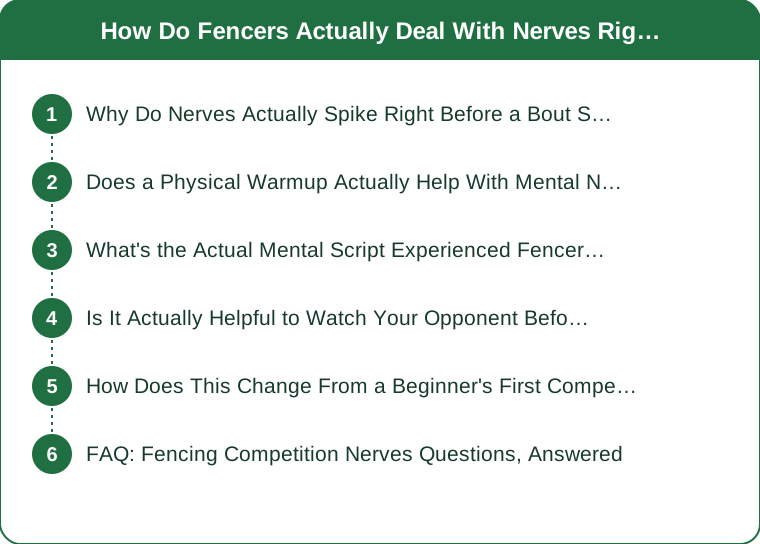
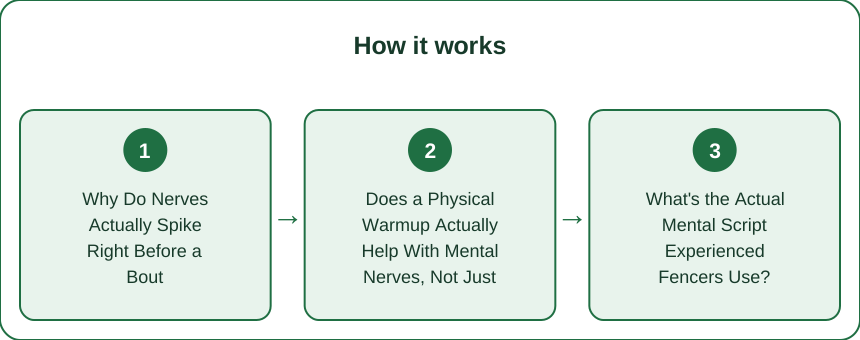
Why Do Nerves Actually Spike Right Before a Bout Specifically?
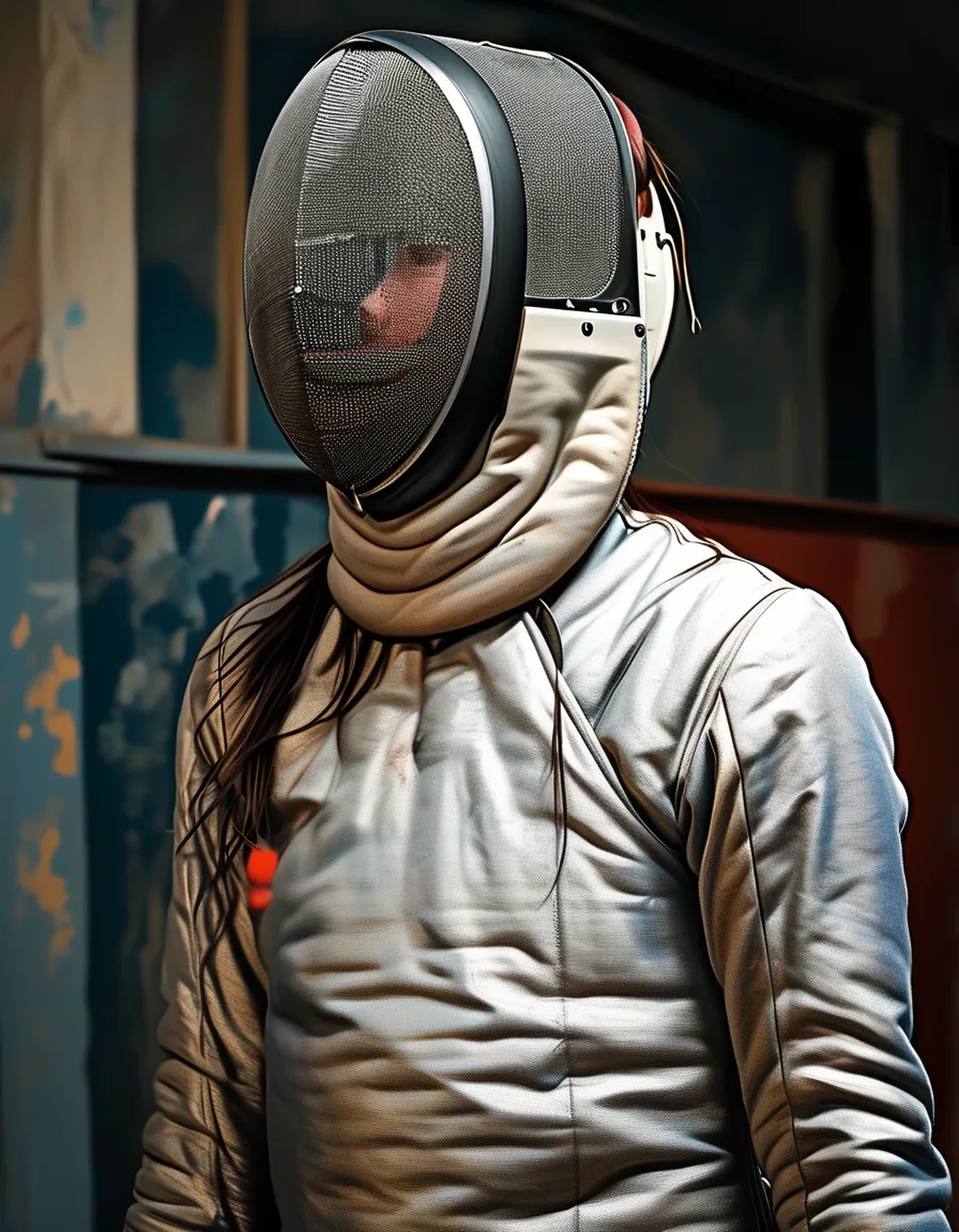
The waiting period before your bout is called — often longer and more uncertain than the bout itself — tends to be where anxiety builds most, since there’s no action to channel the adrenaline into yet. Once the bout starts, most fencers report the nerves either fade into focus or become useful sharpness, which is part of why the pre-bout wait, not the bout itself, is usually the harder part to manage.
Does a Physical Warmup Actually Help With Mental Nerves, Not Just the Body?
Yes — a consistent physical warmup routine gives your nervous system something concrete and familiar to focus on instead of anticipatory worry, and moderate physical activity itself has a documented calming effect on acute anxiety. Fencers who warm up the same way before every bout, win or lose, tend to report more stable nerves over a competition day than those who skip or vary their warmup based on how they’re feeling.
What’s the Actual Mental Script Experienced Fencers Use?
Many competitive fencers use a short, practiced mental cue right before their bout starts — a specific breath pattern, a reminder phrase (‘footwork first,’ ‘watch distance’), or a brief visualization of their opening action. The specific script matters less than having practiced it enough that it’s automatic under pressure, since trying to think of a calming strategy for the first time in the moment rarely works as well as one that’s been rehearsed.
Is It Actually Helpful to Watch Your Opponent Before Your Bout?
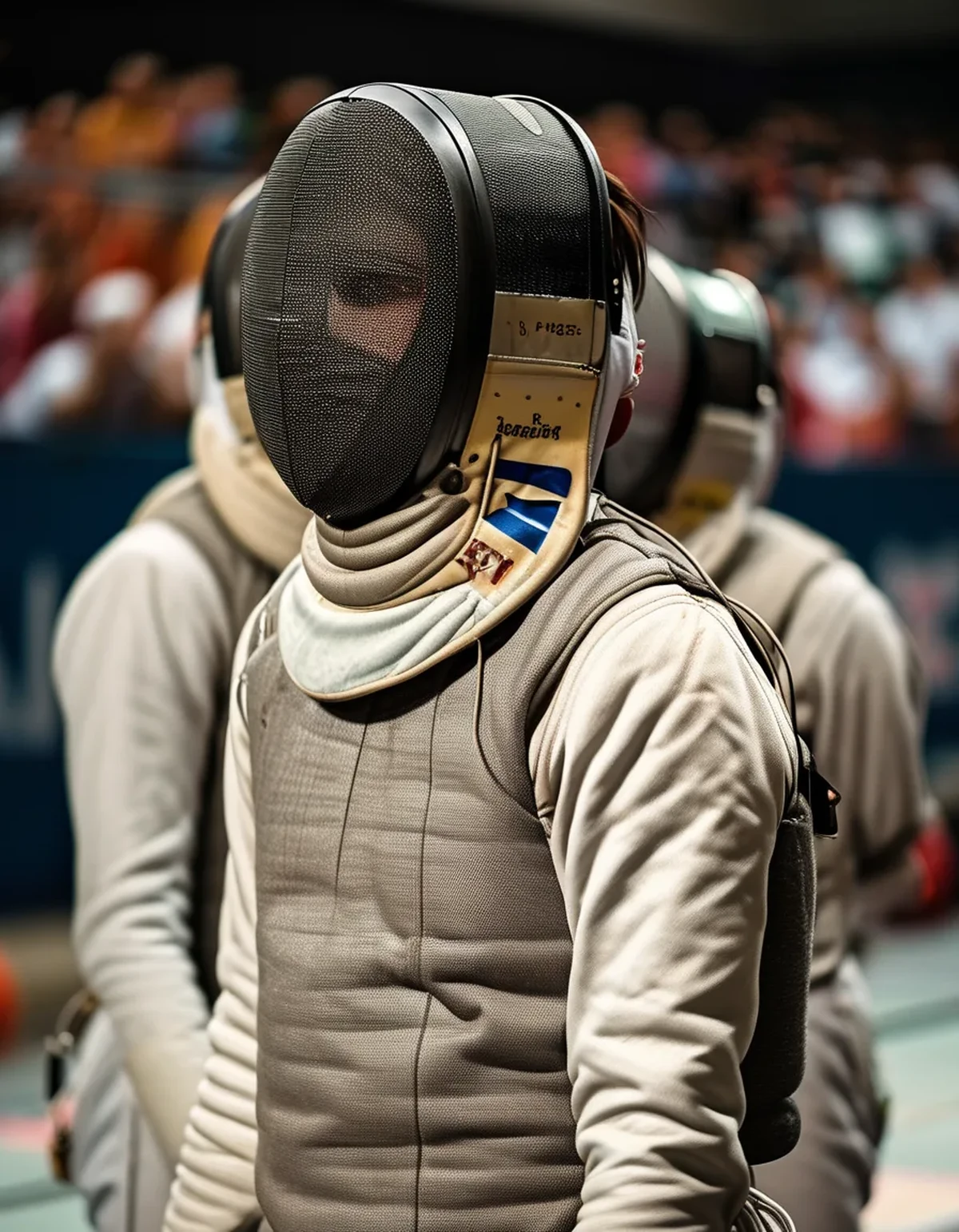
This varies by fencer. Some find watching an opponent’s previous bout helps by replacing uncertainty with actual information (their tendencies, footwork patterns). Others find it increases nerves by feeding pre-bout worry with concrete things to be intimidated by. Neither approach is objectively correct — the useful move is figuring out which pattern applies to you specifically through experience, rather than assuming one approach is universally better.
How Does This Change From a Beginner’s First Competition to an Experienced Fencer’s Hundredth?
Beginners often benefit most from simply lowering the stakes mentally — reminding themselves the first competition is about experience and learning, not a must-win outcome, which reduces pressure directly. More experienced fencers tend to shift toward the routine-and-script approach described above, since the novelty-driven nerves of a first competition have usually faded, replaced by more specific, bout-relevant nerves that a practiced routine addresses better.
FAQ: Fencing Competition Nerves Questions, Answered
Is it normal to feel nauseous or shaky before a bout even after years of competing?
Yes, this is a common physical anxiety response and doesn’t indicate anything wrong with your preparation — many high-level competitors report similar physical symptoms even after extensive experience.
Does talking to your coach right before a bout help or add pressure?
This varies by fencer and by coach — some find last-minute tactical reminders helpful, others find it adds pressure; know your own preference and communicate it to your coach ahead of time.
Should I try to eliminate nerves entirely, or is that unrealistic?
Most sport psychology research suggests eliminating nerves entirely isn’t realistic or even optimal — a moderate level of pre-competition arousal is associated with better performance than either too little or too much.
TL;DR:
- The pre-bout wait, not the bout itself, is usually where nerves peak hardest
- A consistent physical warmup gives your nervous system something concrete to focus on
- A practiced, automatic mental cue works better under pressure than one improvised in the moment
- Whether watching an opponent helps or hurts your nerves is individual — learn your own pattern
Experienced fencers aren’t nerve-free — they’ve just built a routine that channels the same adrenaline beginners feel into something useful.
Keep Reading
This article is for general informational and styling purposes only. Fit, sizing, and product availability may vary.