Fencing Distance and Timing (The Two Things That Decide Every Touch)
Beginners lose fencing bouts to people who are visibly slower than them, which is confusing until you realise that speed is almost never the deciding factor — distance and timing are, and both are learnable. Here is why distance beats speed, how timing actually works, and how to drill both.
Why Distance Beats Speed
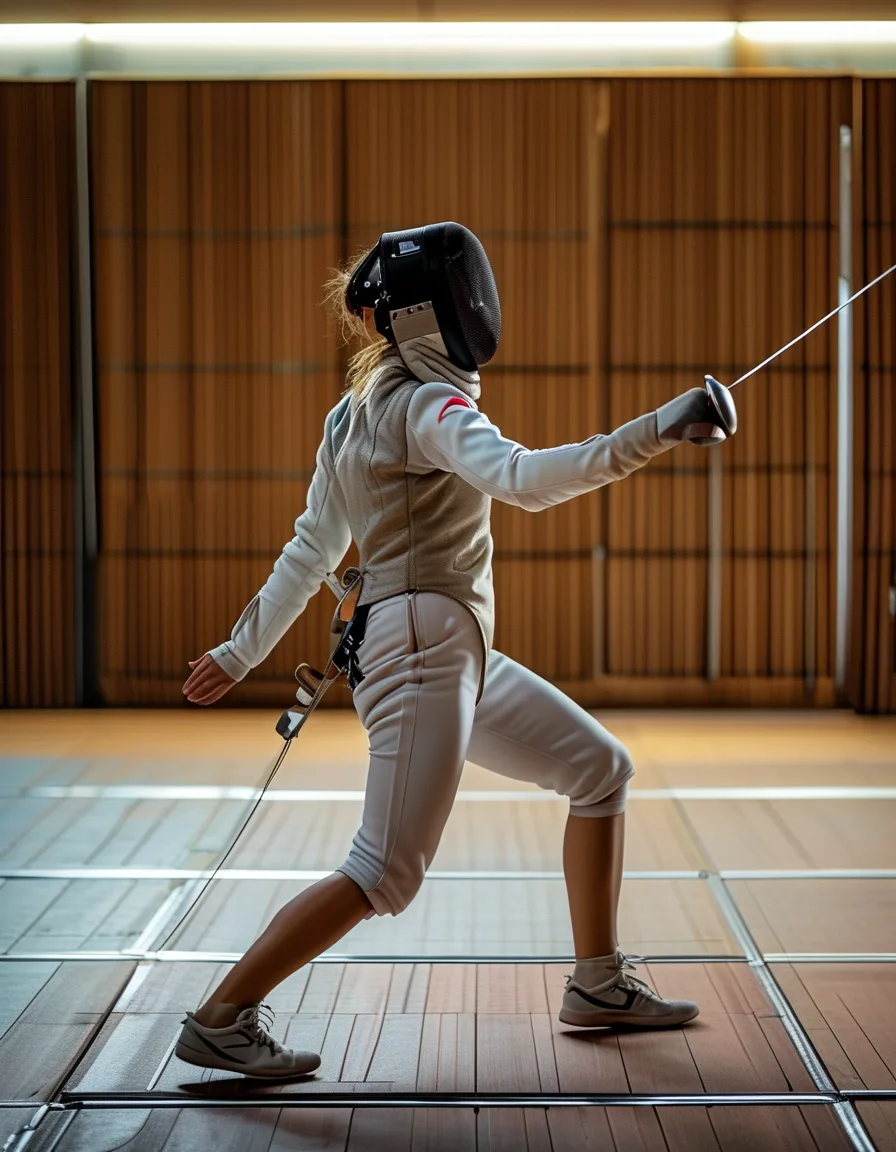
Being out of reach is enough: the the-out-of-distance-is-unhittable (the being out of range making speed irrelevant from the basic-moves logic — the out-of-distance), the the-you-cannot-out-speed-bad-distance (the no amount of speed rescuing poor distance from the basic-moves logic — the cannot-outspeed-it), the the-most-touches-are-distance-errors (the most hits landing because someone misjudged distance from the basic-moves logic — the distance-errors), the the-good-fencers-control-the-gap (the skilled fencers dictating the distance from the basic-moves logic — the control-the-gap), the the-footwork-is-the-actual-skill (the footwork rather than blade work carrying the bout from the footwork-conditioning logic — the footwork-is-the-skill), and the reframe (the fencing bout as decided by distance rather than speed — because being out of range makes your opponent’s speed irrelevant).
How Timing Works
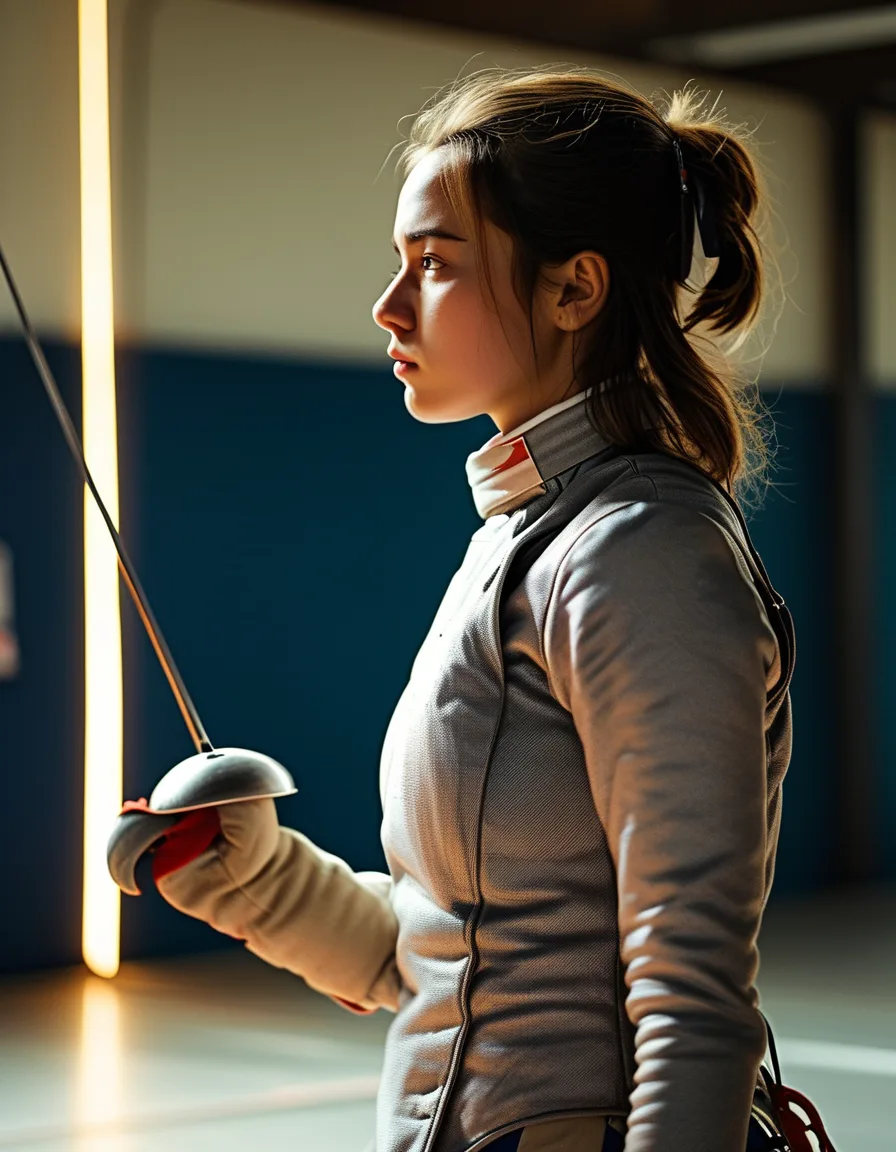
Acting at the right moment: the the-attack-when-they-are-committed (the attacking as the opponent commits to something from the basic-moves logic — the attack-when-committed), the the-the-preparation-is-the-opening (the the opponent’s preparation creating the opening from the basic-moves logic — the preparation-is-the-opening), the the-tempo-not-speed (the acting in the right tempo mattering more than raw speed from the basic-moves logic — the tempo-not-speed), the the-broken-rhythm-beats-fast-rhythm (the changing rhythm beating simply going faster from the basic-moves logic — the broken-rhythm), the the-patience-creates-the-opportunity (the waiting creating openings that forcing does not from the mental-game-adjacent logic — the patience-creates-openings), the the-reading-the-opponent (the reading patterns rather than reacting blindly from the basic-moves logic — the read-the-opponent), and the the-the-second-intention-attack (the drawing a reaction and then hitting from the basic-moves logic — the second-intention).
The Drilling Notes
Practising both: the the-footwork-drills-alone (the solo footwork drills building distance control from the footwork-conditioning logic — the solo-footwork), the the-distance-drills-with-a-partner (the partner drills maintaining a set distance from the basic-moves logic — the partner-distance-drills), the the-mirror-drills (the mirroring a partner’s movement to hold distance from the footwork-conditioning logic — the mirror-drills), the the-slow-bouting-with-a-focus (the slow bouts focused on distance only from the basic-moves logic — the slow-focused-bouting), the the-condition-the-legs (the leg conditioning enabling sustained footwork from the footwork-conditioning logic — the leg-conditioning), the the-film-and-review (the reviewing footage to see distance errors from the first-competition logic — the film-and-review), the the-drill-more-than-you-bout (the drilling outweighing free bouting for improvement from the adult-beginner logic — the drill-more-than-bout), and the frame (the fencing improvement as distance and timing — controlled with footwork, attacked on the opponent’s preparation, and drilled more than it is bouted. Control the distance with footwork, attack when your opponent commits, and drill distance more than you free bout).
Beginners lose fencing bouts to people who are visibly slower than them, which is confusing until you realise that speed is almost never the deciding factor — distance and timing are. Distance beats speed because out of distance is unhittable, you cannot out-speed bad distance, most touches are distance errors, good fencers control the gap, and footwork is the actual skill. Timing means attacking when they are committed, treating the preparation as the opening, thinking in tempo not speed, using broken rhythm, being patient, reading the opponent, and using second intention. Drill it with solo footwork drills, partner distance drills, mirror drills, slow focused bouting, leg conditioning, filming and reviewing, and drilling more than you bout.
Keep Reading
This article is for general informational and styling purposes only. Fit, sizing, and product availability may vary.