Fencing Footwork Conditioning: Building the Legs the Blade Rides On
Fencing’s open secret from lesson one: the sword arm is the pen, the legs are the writer. Distance, timing and every touch ride on footwork — and footwork rides on conditioning most beginners never train. The leg curriculum for fencers who want their third bout as sharp as their first.
The Footwork Mechanics
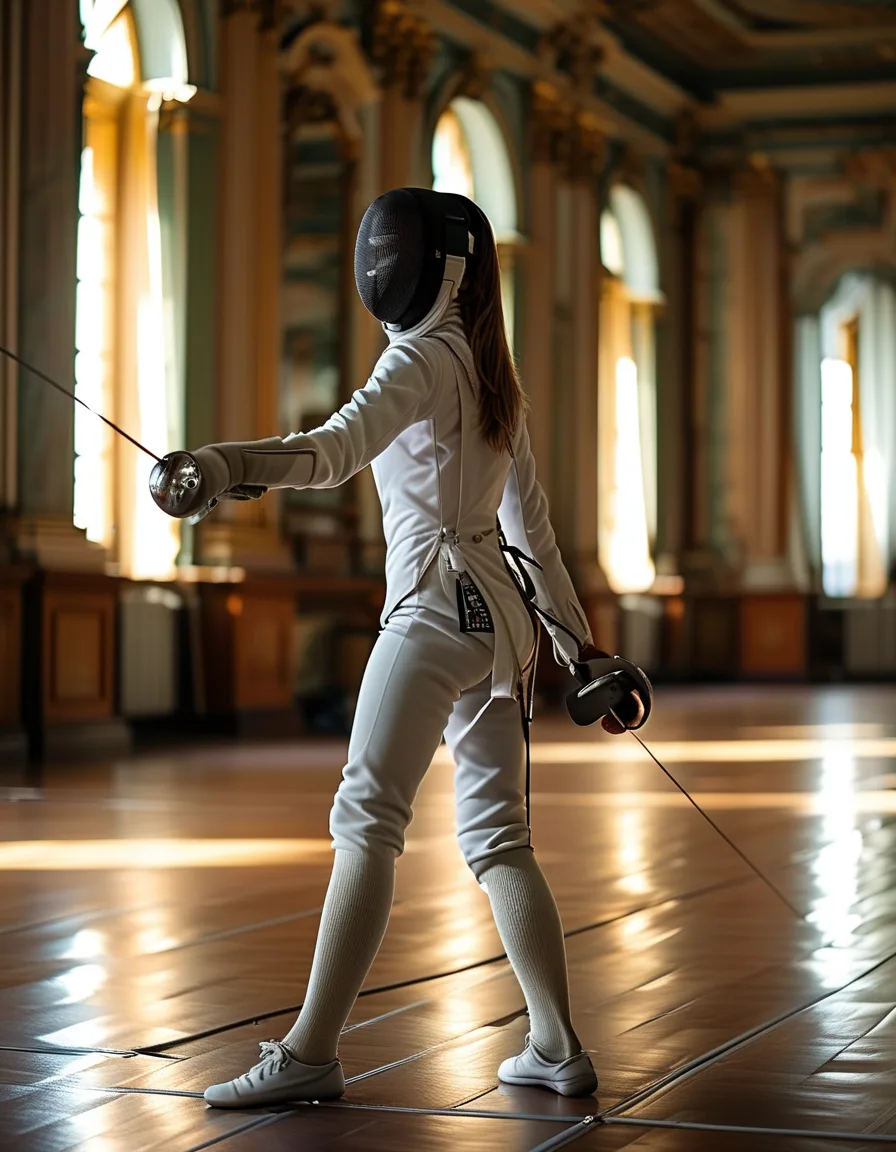
The vocabulary refined: the advance-retreat quality bar (small, quick, balanced steps — heel-toe forward, toe-heel back; the big lumbering step is slow AND telegraphs; the elite look ‘floaty’ because their steps are half the size and twice the frequency), the lunge anatomy (the front foot kicks out, the back leg DRIVES — the power is the rear leg’s extension; the arm extends before the feet fly, always; the lunge is a rear-leg push wearing a front-leg costume), the recovery priority (the lunge you can’t recover from is a donation — the push-back to guard trains as its own skill, equal billing with the lunge itself), and the distance game (footwork’s whole purpose — arriving at YOUR distance, not theirs; the legs are the negotiation).
The Home Drill Library
The no-club practice (hallway-sized): the footwork ladder (advance-advance-retreat patterns on a line — 3 minutes of quality steps, the line keeping you honest; the tape-line on the floor is the home piste), the mirror lunge session (slow-motion lunges watching form — arm first, rear leg drive, front knee over ankle; five slow beats fifteen sloppy), the wall-touch precision game (lunging to touch a wall target at full extension — the distance calibration that transfers directly), the shadow-fencing rounds (2-minute footwork flows mixing tempo — the boxer’s shadowwork translated; imaginary opponents never complain), and the dose (three 15-minute home sessions weekly is the difference between club-night progress and club-night maintenance).
The Conditioning Layer
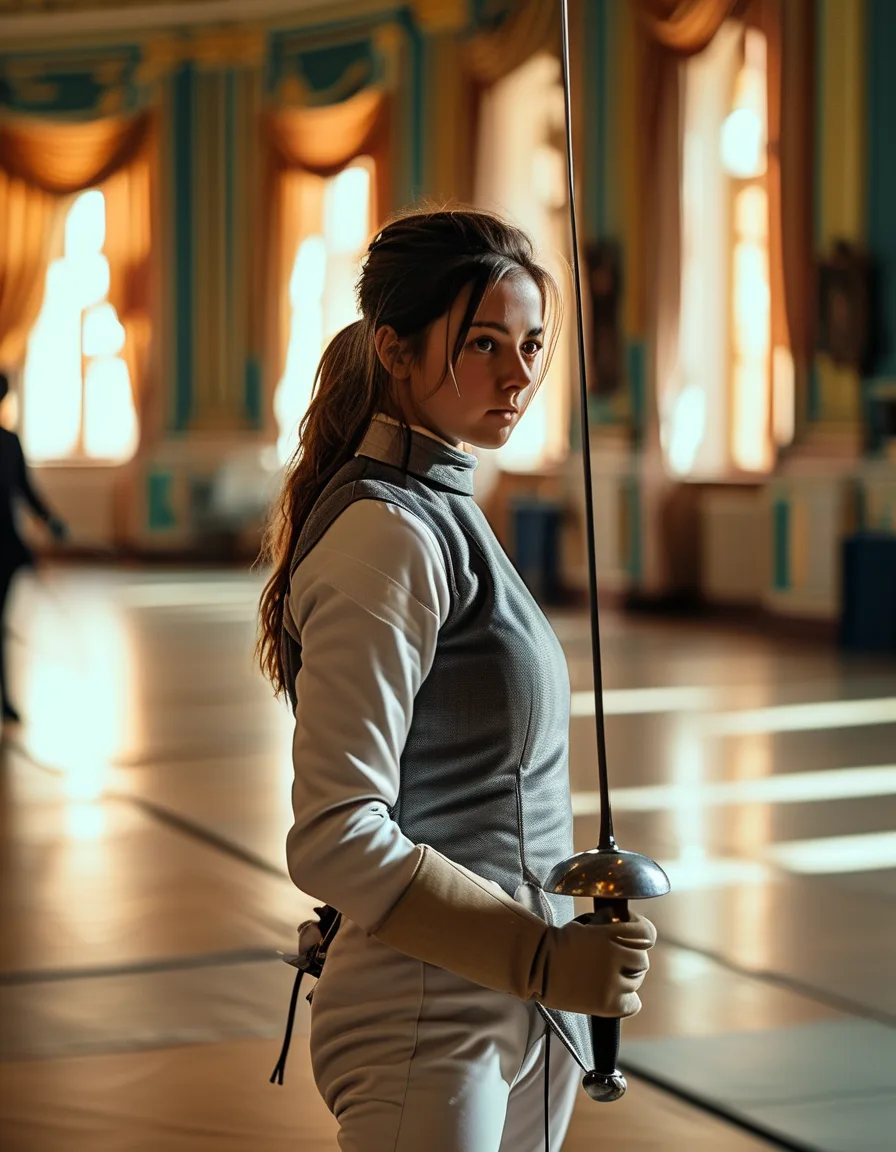
The legs behind the legs: the split-squat family (the fencing lunge IS a loaded split squat — the Bulgarian split squat and step-up tier builds the rear-leg drive directly; the unilateral-strength chapter is fencing homework), the plyometric wing (lateral bounds and quick line-hops — the explosive-first-step currency; low-volume, quality-first per the plyo rules), the calf-and-ankle endurance (fencing lives on the balls of the feet — the calf-raise volume and the ankle-stability work that keeps the stance springy through bout three), the adductor-and-glute insurance (the lunge’s width bills the inner thigh — the lateral lunge and the band work that prevent the classic fencer’s strain), and the interval engine (bouts are repeated sprints — the 30-second-hard intervals on any cardio machine build the recovery between touches).
The Fatigue Honesty
Why conditioning decides bouts: the technique-decay curve (footwork degrades before the fencer notices — the third bout’s touches against you land on legs that stopped moving; conditioning isn’t fitness vanity, it’s technique insurance), the practice-tired protocol (occasional footwork drills AFTER conditioning — teaching sharp steps on tired legs, the compromised-quality skill that tournaments demand), the recovery basics (fencing nights earn the protein-and-sleep treatment of any training day — the DOMS chapter applies to lunges hilariously well), and the payoff (the fencer whose legs last wins the third period against equal blades — the conditioning that shows up exactly when the scoreboard matters). The blade gets the glory; train the writer.
Small quick steps, rear leg drives the lunge, tape-line drills at home, split squats are homework. Fencing is written by the legs — condition them and the third bout stays sharp.
Keep Reading
This article is for general informational and styling purposes only. Fit, sizing, and product availability may vary.