Do You Actually Need Fencing-Specific Shoes, or Will Regular Athletic Shoes Work?
Quick Answer: Fencing-specific shoes offer reinforced lateral support and a low-profile sole built for quick side-to-side lunging, which regular running or general athletic shoes don’t provide — beginners can reasonably start in supportive court shoes (like those used for tennis or volleyball) for their first several months, but should transition to fencing-specific shoes once training frequency increases.
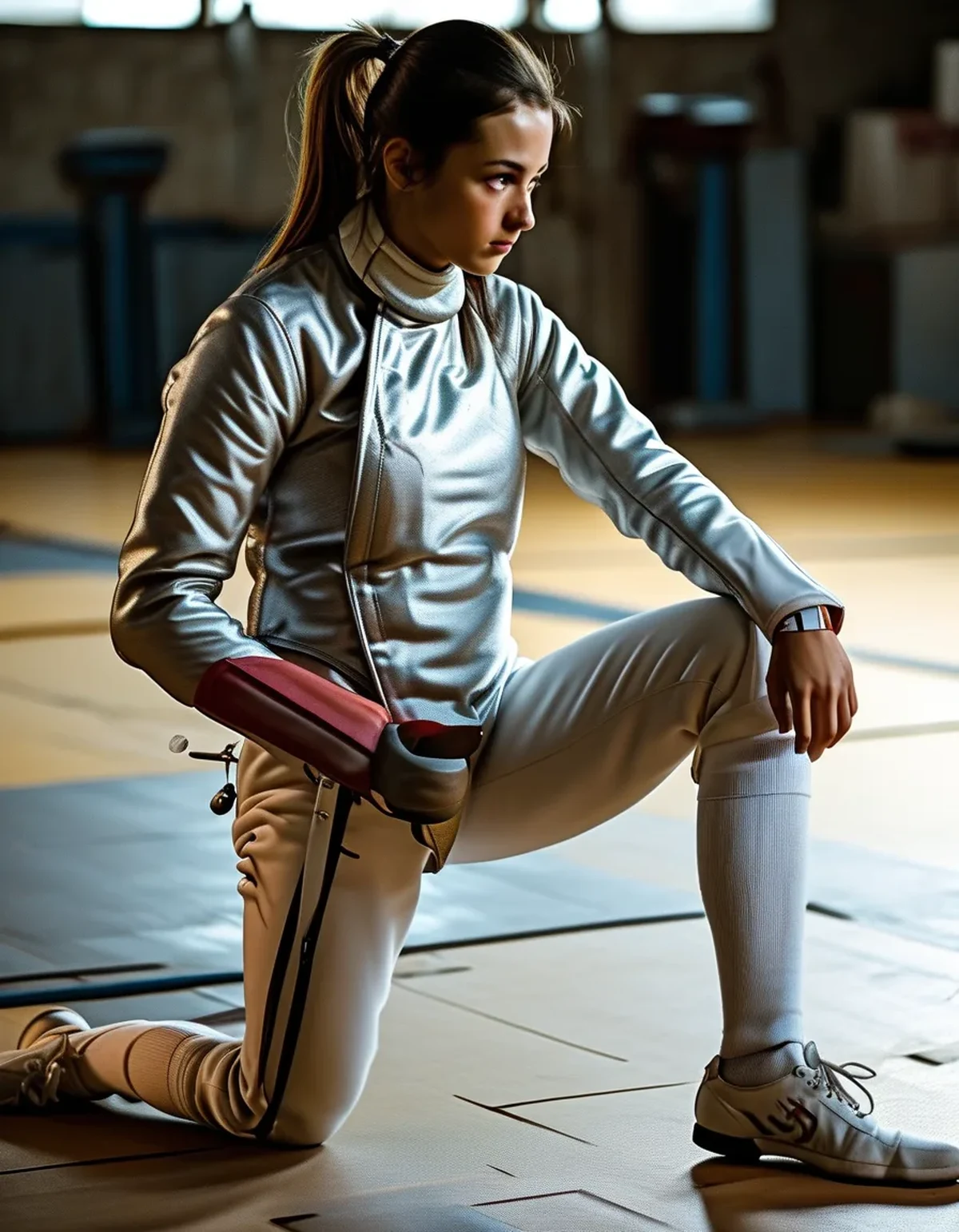
Fencing footwork puts unusual lateral stress on shoes that most everyday athletic shoes simply weren’t built to handle.
Why don’t regular running shoes work well for fencing?
Running shoes are built for forward motion and cushioning heel-to-toe impact, while fencing footwork is dominated by rapid lateral lunges and quick direction changes. Running shoes’ raised heel and softer lateral support can actually increase ankle roll risk during fencing-specific movement.
What do fencing shoes specifically add that court shoes don’t fully replicate?
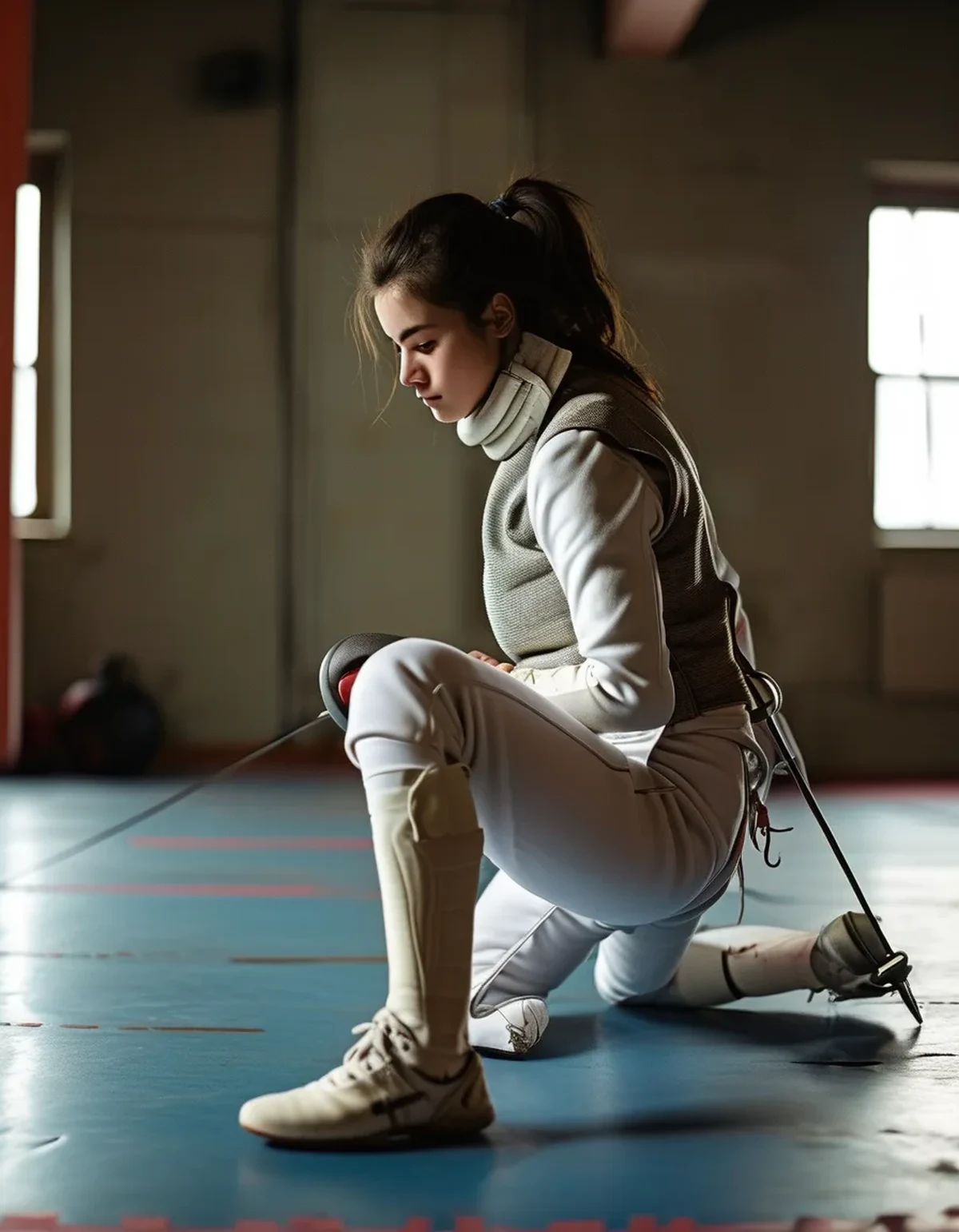
Reinforced lateral panels, a low, stable heel-to-toe drop, and often a reinforced toe area for the front foot, which absorbs repeated impact from lunging. Court shoes (tennis, volleyball) approximate this reasonably well since they’re also built for lateral movement, but they’re not optimized specifically for the lunge-heavy demands of fencing.
When does it actually become worth investing in fencing-specific shoes?
Once training frequency reaches a few times a week or competition becomes a goal, the added support and durability of fencing-specific shoes starts to pay off — for occasional beginner classes, a good pair of court shoes is a reasonable and common starting point.
What Nobody Tells You About Fencing Footwear
Here’s what beginner guides often skip: shoe choice affects fencing-specific injury risk more than most new fencers realize, particularly ankle and knee stress from repeated lunging in shoes not designed for lateral loading. It’s one of the more overlooked gear decisions that genuinely affects both performance and injury risk, not just comfort.
FAQ: Fencing Shoes Questions, Answered
Can beginners use basketball shoes for fencing instead?
Basketball shoes provide decent lateral support but tend to be heavier and higher-cut than ideal for the quick, low lunges fencing requires — they’re a reasonable stopgap but not the best fit long-term.
Do fencing shoes differ by weapon type (foil, epee, sabre)?
Footwork demands are broadly similar across weapons, so most fencing shoes work across all three, though sabre’s faster, more explosive footwork sometimes leads competitive sabre fencers to prioritize a slightly lighter shoe.
How often do fencing shoes need to be replaced with regular training?
With frequent training (multiple sessions weekly), the toe and lateral reinforcement areas wear down faster than typical athletic shoes, so replacement every 6-12 months is common for regular fencers.
TL;DR:
- Fencing shoes are built specifically for lateral lunging, which running shoes don’t support well
- Court shoes (tennis, volleyball) are a reasonable stopgap for beginners
- Fencing-specific shoes become worth the investment as training frequency increases
- Shoe choice genuinely affects fencing-specific injury risk, not just comfort
Start with supportive court shoes if you’re new, and upgrade to fencing-specific shoes as your training gets more serious.
Keep Reading
This article is for general informational and styling purposes only. Fit, sizing, and product availability may vary.