Left-Handed Fencers: Does It Actually Give You an Advantage?
Quick Answer: Left-handed fencers are statistically overrepresented at the highest competitive levels relative to their share of the general population, and the advantage is real but situational — it comes mainly from most opponents having far less practice reading a left-handed opponent’s angles, not from any inherent physical edge.
The advantage shrinks considerably at levels where opponents have more experience facing lefties, which is an important nuance often left out of the general claim.
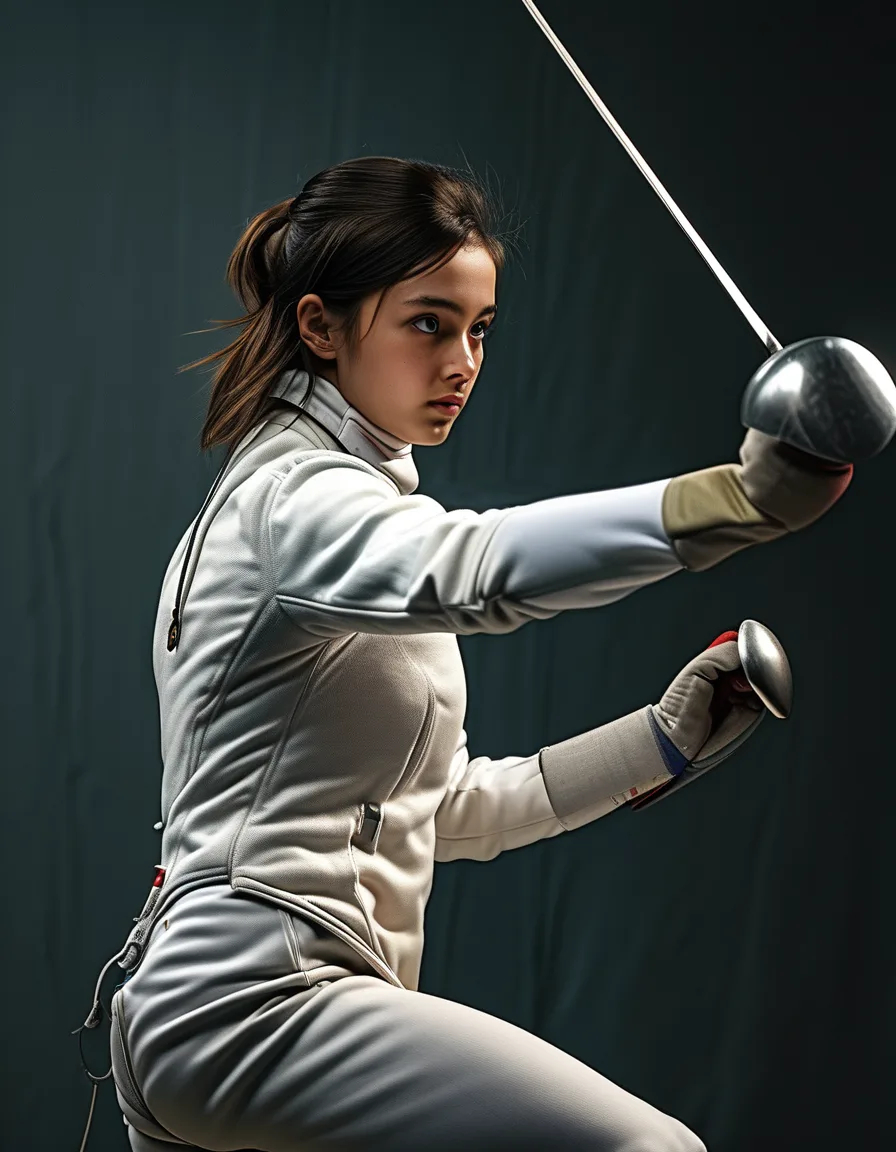
Is the left-handed fencing advantage actually supported by real data?
Multiple analyses of Olympic and World Championship fencing rosters have found left-handed fencers represented at roughly double or more their share of the general population (commonly cited around 10-12%), a gap too large across a large enough sample to attribute to chance alone.
This pattern holds across all three fencing weapons (foil, epee, sabre), though the degree of overrepresentation varies somewhat by weapon and by competition level.
Why does being left-handed help in fencing specifically, compared to other one-on-one sports?
The core mechanical reason is that a right-handed fencer’s habitual angles, distances, and blade positioning are trained against other right-handers far more often than against lefties, simply because right-handers are the statistical majority — this creates a genuine unfamiliarity advantage for the less common hand orientation.
This differs from many sports where handedness matters less because the sport isn’t a direct, mirrored one-on-one angle-reading contest in the same way fencing is.
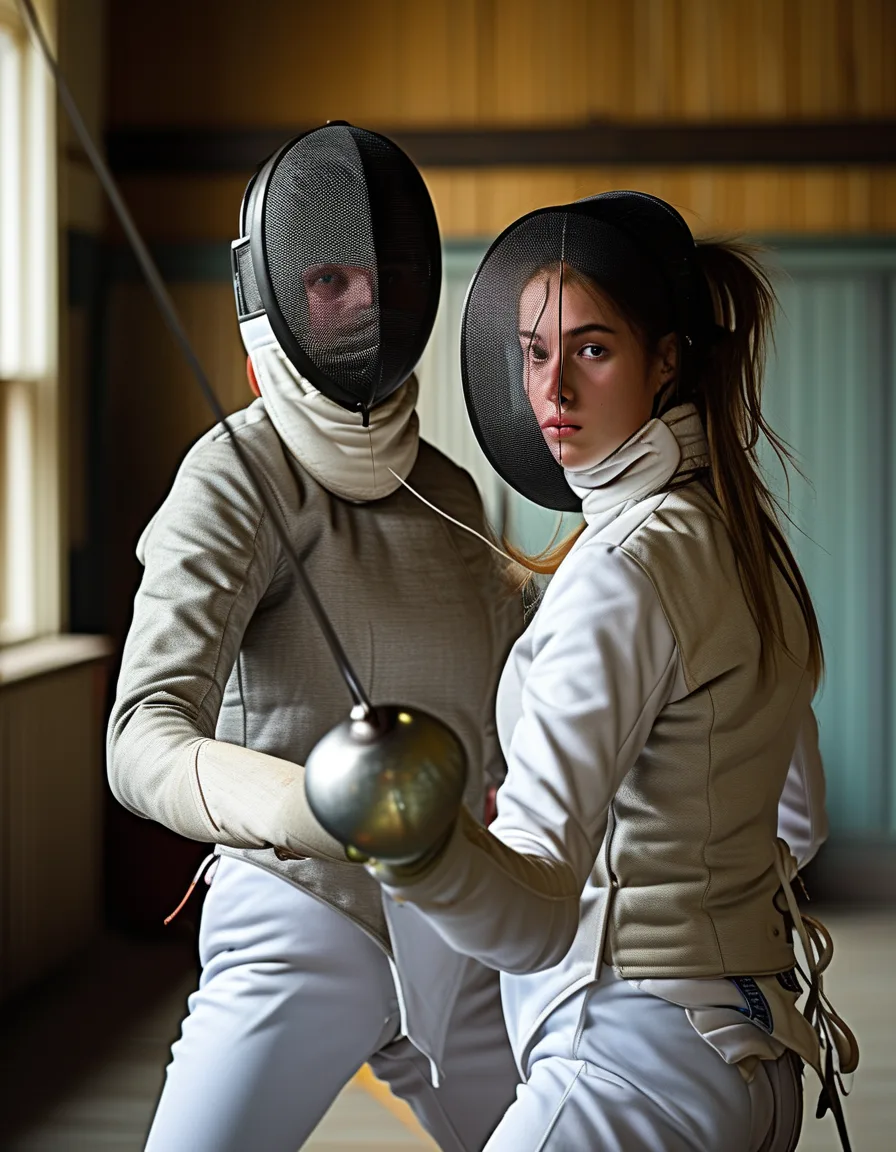
Does the advantage hold up at every level of competition, or mainly at lower levels?
The advantage tends to be most pronounced at levels where opponents have had less specific practice against left-handed fencers, and it narrows somewhat at the highest levels, where top competitors have typically trained extensively against both orientations and coaches specifically prepare fencers for left-handed opponents.
This doesn’t mean the advantage disappears at elite levels — the overrepresentation data suggests it persists — but it’s a smaller relative edge among fencers who’ve all had significant exposure to facing the opposite-handed style.
What Nobody Tells You About Coaching and Equipment for Left-Handed Fencers
A meaningful amount of fencing instruction and drilling material is written and demonstrated right-handed by default, meaning left-handed fencers often have to actively mirror instructions themselves rather than following along directly, which can slow initial technical learning even if it doesn’t affect long-term competitive advantage.
Equipment-wise, left-handed-specific gear (particularly for sabre) does exist and fits differently enough from mirrored right-handed gear that it’s worth specifically requesting rather than assuming a ‘universal’ fit works equally well for both hand orientations.
FAQ: Left-Handed Fencing, Answered
Should a left-handed beginner request a left-handed-specific coach or just adapt?
Most fencing coaches, even right-handed ones, are well equipped to coach left-handed students given how common the topic is in the sport, though a coach with specific left-handed teaching experience can occasionally speed up early technical learning.
Is the left-handed advantage bigger in foil, epee, or sabre?
Research findings vary somewhat by study, but the advantage has been documented across all three weapons, with some analyses suggesting a slightly stronger effect in sabre due to its faster pace and heavier reliance on reading angles quickly.
Should a right-handed fencer deliberately train against left-handed sparring partners more often?
Yes — this is a commonly recommended strategy specifically because it directly addresses the unfamiliarity gap that creates the left-handed advantage in the first place, and many coaches build this into regular training rotations.
TL;DR:
- Left-handed fencers are meaningfully overrepresented at high competitive levels relative to the general population
- The advantage comes mainly from opponents’ relative unfamiliarity with left-handed angles, not physical superiority
- The edge narrows at elite levels where fencers have trained extensively against both orientations
- Deliberately training against left-handed sparring partners is a well-known way to close that familiarity gap
Keep Reading
This article is for general informational and styling purposes only. Fit, sizing, and product availability may vary.