What to Wear Under Fencing Gear When the Salle Hits 90 Degrees
Quick Answer: Wear a lightweight technical wicking layer under the jacket, never cotton - a fitted synthetic tee or tank moves sweat outward where cotton soaks, clings, and chafes under the plastron. On the bottom, fitted bike shorts or cropped leggings under knickers prevent the bunch-and-rub that loose shorts cause. Between bouts: mask fully off, jacket unzipped, water plus electrolytes on a schedule rather than by thirst. The gear cannot get lighter, but the system under it can get dramatically smarter.
Fencing kit was designed for protection, and protection means layers: plastron, jacket, knickers, mask, glove. In January this is cozy. In an un-air-conditioned August salle it is a wearable sauna, and the difference between fencers who fade by the third bout and those who keep their legs is mostly decided before anyone salutes - in the changing room.
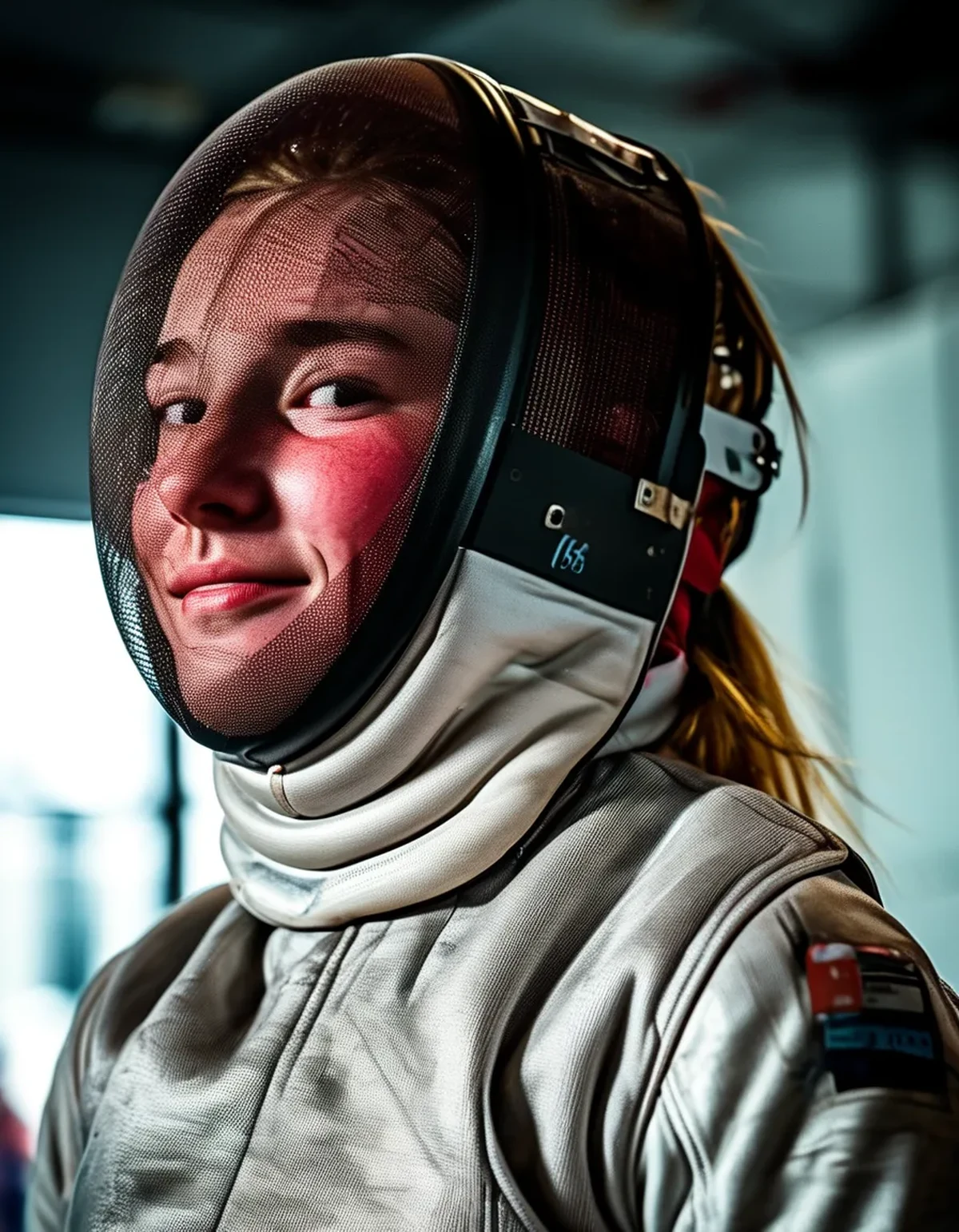
Why is fencing gear such a heat trap?
Because everything that makes it safe blocks everything that cools you.
Cooling runs on evaporation, and the kit forbids it. Your body sheds serious heat only when sweat evaporates from skin. A fencing jacket over a plastron is two to three layers of dense, tightly woven fabric engineered to stop a blade - it stops airflow as a side effect. Sweat pours, evaporates barely, and the cooling system spins uselessly while your core temperature climbs.
The mask is a personal microclimate. Your head is a major heat-dump surface, and the mask wraps it in steel mesh and padding, recycling every exhale as warm humid air across your face. This is why removing the mask between bouts feels disproportionately wonderful - it is the one instant, total ventilation move you own.
The glove hand lives in a swamp. One hand sealed in padded leather for two hours produces the soggy-glove problem every summer fencer knows, complete with slipping grips and pruned fingers.
And the sport itself is interval training. Fencing is repeated explosive efforts - lunges, recoveries, fast footwork - which generate heat in spikes. Stack spiking internal production on blocked external dissipation, and heart rates run well above what the same effort would cost in shorts and a tee. That is the mechanism behind the third-bout fade: not fitness, thermodynamics.
What this means practically: you cannot ventilate the outside of the system - the safety layers are non-negotiable and should be, and a tattered jacket is a safety failure, not a cooling strategy. Every improvement available lives in the layer against your skin, the recovery habits between bouts, and the fluid plan. Fortunately, those three cover a lot.
What should the base layer system actually be?
Fitted, synthetic, and minimal - each word doing real work.
Top: a lightweight technical tee or tank, snug to the skin. Polyester or nylon wicking fabric - the same family as running shirts - pulls sweat off your skin and spreads it for whatever evaporation the jacket allows, and it keeps functioning when saturated. Fitted matters: a loose tee wads up under the plastron and creates pressure folds exactly where the strap and jacket press. Sleeveless or cap-sleeve keeps the armpit clear where the jacket already binds.
The one fabric rule: no cotton against the skin. A cotton tee under a summer jacket absorbs its weight in sweat, clings cold and heavy, chafes at the plastron edge, and is still soaked when you leave. This single swap - cotton out, technical in - is the biggest comfort upgrade in summer fencing and it costs less than a club fee.
Chest: a supportive sports bra with wicking fabric, plus the chest protector per your club’s rules. Seams and hardware placement matter more than usual because the plastron presses everything inward - smooth-band, minimal-hardware styles win under pressure.
Bottom: fitted bike shorts or cropped leggings under the knickers. Loose gym shorts ride, bunch, and seam-rub during lunges; a fitted short-length layer moves with the leg, kills inner-thigh friction, and manages sweat where knickers trap it. The cropped legging version adds coverage under white knickers - worth knowing, since soaked whites go translucent - and doubles as your warm-up wear so you arrive ready.
Feet: real fencing or tall sport socks in a wicking blend, and consider a spare pair at the halfway point. Wet socks blister faster, and the mid-session sock change is a veteran move that feels absurd until the first time you do it.
Glove hand: a thin wicking under-glove liner, or simply a second glove to rotate. Alternating gloves between bouts lets each dry, keeps the grip honest, and doubles the leather’s lifespan as a bonus.
What Nobody Tells You About Summer Salle Sessions
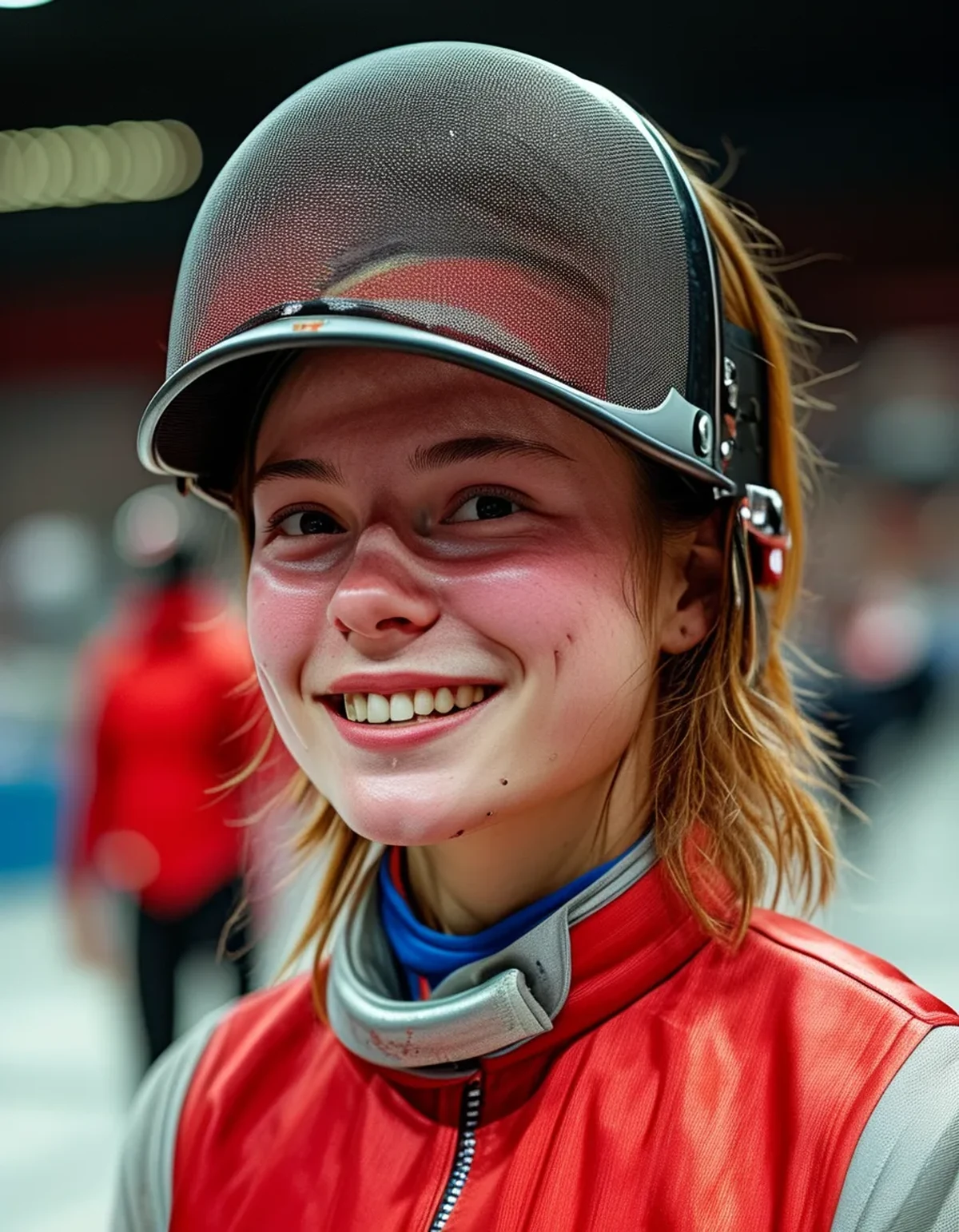
The between-bout minutes are where the session is won. Heat load is cumulative - core temperature ratchets up bout by bout unless you actively dump it. The full ritual, every break: mask completely off (not tilted up - off), jacket unzipped to the waist, glove off, and stand near whatever air is moving. Two minutes of real ventilation between bouts beats any gadget you can buy.
Cold water on the wrists and neck is a legitimate performance tool. The forearms and neck run blood close to the surface; thirty seconds of cold tap water on them between bouts measurably drops how hot you feel. A small towel soaked in cold water and kept in a zip bag in your kit does the same job pisteside.
Drink on a schedule, because thirst lags badly under gear. By the time a masked, jacketed fencer feels thirsty, the deficit is already large. The working rhythm: water every break regardless of desire, and an electrolyte drink across any session over an hour - you are losing salt at a rate polite sports drinks underestimate. The headache that arrives at hour two of a summer session is usually sodium, not effort.
Your gear needs a drying protocol or it will grow a personality. A jacket and plastron soaked twice a week and stored in a bag become a biology experiment by September. Everything out of the bag the moment you get home, hung spread on a rack, plastron and glove in moving air. Wash the plastron and base layers after every summer session - the jacket per its care label, more often than winter.
And pace the card you play. August is the season for footwork quality, technical drills, and tactical bouts - not for treating every practice bout like a tournament final. Coaches say this; thermodynamics agrees. The fencer still sharp at hour two paced hour one on purpose.
Know the stop signs. Dizziness, chills in the heat, confusion, or cessation of sweating are past pushing-through - mask off, gear off, cool down, and tell someone. Heat illness escalates fast and no practice bout is worth it. This is general information, not medical advice.
The complete summer kit bag, itemized
The wear-in outfit doubles as the warm-up layer: cropped leggings or bike shorts and a technical tank - you walk in dressed to drill, and the kit goes over it. One outfit, two jobs, no changing-room bottleneck.
In the bag:
- Second technical base top - the halftime shirt change is the single most refreshing 90 seconds in summer fencing.
- Spare socks, rolled inside the spare shirt so you actually remember them.
- Second glove or a thin liner glove, rotating each break.
- Small towel in a zip bag, pre-soaked and cold from home.
- One-liter water bottle plus a second bottle with electrolyte mix - two bottles, because refill trips mid-session do not happen.
- Hair ties and a thin sweatband; sweat in the eyes inside a mask has no fix once the bout starts.
- A dry cotton tee for afterward - the one place cotton belongs, going home dry.
Worth the upgrade money, in order: a second base layer set before anything fancy; a lightweight FIE-spec or summer-weight jacket if your club allows and budget permits - the newer materials protect to standard at noticeably less weight; and a second glove before a fancier single glove.
Skip: cooling vests between bouts (bulk and fuss for marginal gain at club level), heavy pre-workout caffeine doses on hot days (adds cardiovascular load exactly where you need headroom), and any impulse to modify safety gear for airflow. The jacket protects; the system underneath breathes. That division of labor is the whole philosophy.
The payoff for getting this right: not comfort, or not just comfort - repetitions. The fencer whose base layers, breaks, and bottles are handled gets 30 percent more quality bouts out of every August session, and September rankings are quietly built in exactly those bouts.
FAQ: Summer Fencing Questions, Answered
What should I wear under a fencing jacket in summer?
A fitted, lightweight technical tee or tank in wicking synthetic fabric - never cotton, which soaks, clings, and chafes under the plastron. Below: bike shorts or cropped leggings under the knickers to stop bunching and inner-thigh rub during lunges, plus wicking socks. Fitted synthetic everything, minimal seams, nothing loose.
How do fencers deal with the heat?
By managing the between-bout minutes: mask fully off, jacket unzipped, cold water on wrists and neck, and drinking on a schedule - water every break, electrolytes across sessions over an hour. Pacing matters too; summer practice rewards technical work over all-out bouts. The heat load is cumulative, so recovery discipline decides the second hour.
Can I make my fencing jacket cooler?
Not safely by modifying it - the protective layers are the point. The legitimate routes: a lighter-weight jacket that still meets your club’s safety standard, a smarter base layer underneath, and aggressive ventilation between bouts. All meaningful cooling happens under and around the gear, never through holes in it.
How do I stop my fencing gear from smelling in summer?
Dry everything spread out the moment you get home - never stored damp in the bag. Wash base layers, socks, and the plastron after every summer session, the jacket regularly per its label, and rotate two gloves so each dries fully. Odor is bacteria plus trapped moisture; remove the moisture fast and the smell never establishes.
TL;DR:
- The kit blocks evaporation by design; all real cooling happens in the base layer and the breaks.
- Fitted technical fabrics only - cotton under a summer jacket is the whole mistake.
- Bike shorts or cropped leggings under knickers end the lunge chafe problem.
- Between bouts: mask off, jacket open, cold water on wrists, drink on schedule not thirst.
- Two of everything absorbent - shirts, socks, gloves - and dry the kit the hour you get home.
The jacket will never negotiate with August. The layer under it, the bottle beside it, and the two minutes between bouts are where you win the summer.
See It in Motion
Seen here: High Waist Embossed Yoga Leggings with Side Pockets — shop it on bubblelime.com
Keep Reading
This article is for general informational and styling purposes only. Fit, sizing, and product availability may vary.